The Future of AI in Everyday Life

Artificial intelligence is no longer a distant dream confined to science fiction—it's here, woven into the fabric of our daily routines. From the moment we wake up to when we go to sleep, AI technologies are quietly working behind the scenes, making our lives more convenient, efficient, and personalized. As we look toward the future, the integration of AI into everyday life promises to deepen, bringing both exciting possibilities and important questions we must address.
AI in Home Automation: Your House, Reimagined
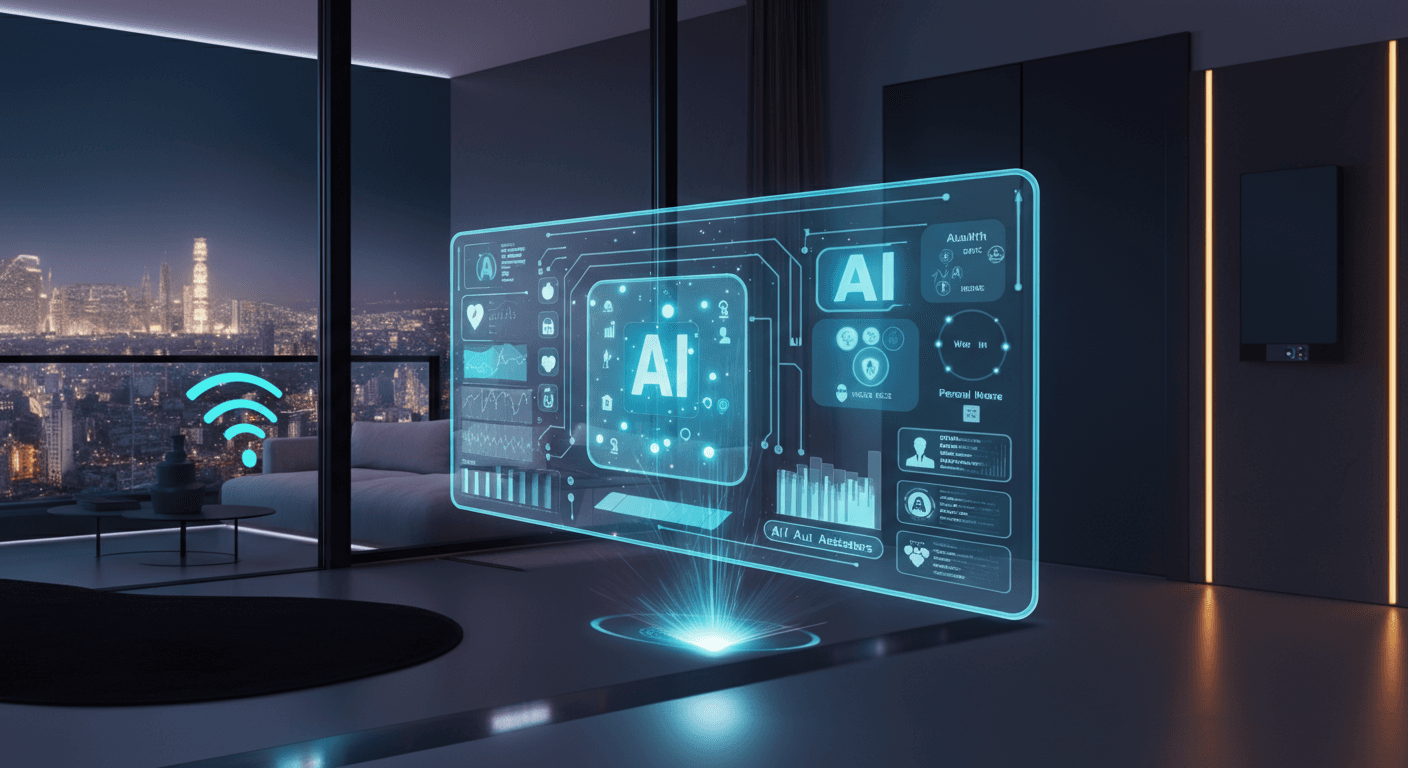
Smart homes have evolved from simple programmable thermostats to sophisticated ecosystems that learn and adapt to our preferences. Modern AI-powered home automation systems can predict when you'll arrive home and adjust the temperature accordingly, recognize unusual activity patterns that might indicate security concerns, and even optimize energy consumption based on your usage habits and local utility rates.
These systems are becoming increasingly intuitive. Voice-activated controls allow you to manage lighting, entertainment systems, and appliances with simple commands. But the real magic happens when AI learns your routines—dimming lights at your usual bedtime, brewing coffee when your morning alarm goes off, or adjusting window shades based on the sun's position and your comfort preferences.
Looking ahead, we can expect homes that anticipate needs before we even articulate them. Refrigerators that track inventory and suggest recipes based on what's inside, washing machines that select optimal settings for each load, and integrated systems that coordinate all devices for maximum efficiency and comfort.
AI-Powered Personal Assistants: Your Digital Companion
Personal AI assistants have come a long way from simple voice recognition tools. Today's assistants can manage complex schedules, provide contextual reminders, and even engage in natural conversations that feel increasingly human-like. They're becoming true productivity partners, capable of understanding nuance, context, and even emotional cues.
These AI companions excel at personalization. They learn your communication style, remember your preferences, and can coordinate across multiple platforms and services. Need to reschedule a meeting? Your assistant can check everyone's availability, propose alternatives, and send invitations—all while you focus on more important tasks.
The future promises even more sophisticated capabilities. Imagine assistants that can:
- Proactively manage your digital life, filtering information and prioritizing what truly matters
- Serve as language translators in real-time conversations, breaking down communication barriers
- Act as personal tutors, adapting teaching methods to your learning style
- Provide emotional support and mental health check-ins, recognizing when you might need professional help
AI in Healthcare and Wellness: A Personal Health Revolution
Perhaps nowhere is AI's potential more transformative than in healthcare and personal wellness. Wearable devices already track our heart rates, sleep patterns, and activity levels, but AI takes this data and transforms it into actionable insights. These systems can detect irregular heartbeats, predict potential health issues before symptoms appear, and provide personalized recommendations for improving overall wellness.
AI-powered diagnostic tools are helping doctors identify diseases earlier and more accurately. Machine learning algorithms can analyze medical images, detecting subtle patterns that human eyes might miss. They can process vast amounts of medical literature to suggest treatment options tailored to individual patients' genetic profiles and medical histories.
For everyday wellness, AI is making personalized health management accessible to everyone. Apps can create customized workout plans that adapt to your progress, suggest meal plans based on your nutritional needs and preferences, and even provide mental health support through AI-powered therapy chatbots that offer coping strategies and emotional support.
The future of AI in healthcare includes predictive medicine that can forecast health risks years in advance, allowing for preventive interventions. We're moving toward a world where your AI health companion knows your body better than you do, alerting you to potential issues and guiding you toward optimal health outcomes.
The Ethical Considerations of AI Integration
As AI becomes more deeply embedded in our daily lives, we must grapple with important ethical questions. Privacy stands at the forefront of these concerns. AI systems require vast amounts of personal data to function effectively, raising questions about who owns this data, how it's used, and how it's protected from misuse or breaches.
Algorithmic bias is another critical issue. AI systems learn from historical data, which can contain human biases. If not carefully designed and monitored, these systems can perpetuate or even amplify existing inequalities in areas like healthcare access, financial services, and employment opportunities.
There's also the question of autonomy and human agency. As AI systems become more capable of making decisions on our behalf, we must consider: How much control are we willing to cede? What happens when AI recommendations conflict with human judgment? How do we maintain meaningful human oversight?
Transparency and explainability are equally important. When an AI system makes a decision that affects our lives—whether it's a medical diagnosis, a loan application, or a job recommendation—we have a right to understand how that decision was made. The "black box" nature of some AI systems poses challenges for accountability and trust.
Moving forward, we need robust frameworks for AI governance that balance innovation with protection. This includes clear regulations around data privacy, requirements for algorithmic transparency, mechanisms for addressing bias, and systems for accountability when AI systems cause harm.
Embracing the AI-Powered Future
The integration of AI into everyday life represents one of the most significant technological shifts in human history. It promises unprecedented convenience, efficiency, and personalization. Smart homes that anticipate our needs, assistants that manage our digital lives, and healthcare systems that keep us healthier longer are no longer distant possibilities—they're emerging realities.
Yet this future also demands our active engagement. We must participate in conversations about how AI should be developed and deployed, advocate for ethical frameworks that protect individual rights and promote fairness, and remain vigilant about the potential risks alongside the benefits.
The future of AI in everyday life isn't predetermined—it's being shaped by the choices we make today. By approaching this technology thoughtfully, demanding transparency and accountability, and ensuring that AI serves human values and needs, we can create a future where artificial intelligence truly enhances the human experience rather than diminishing it.
Muhd