The Tech Revolution of 2026: Emerging Technologies Reshaping Our Future

As we navigate through 2026, the technological landscape continues to evolve at an unprecedented pace. From artificial intelligence breakthroughs to quantum computing milestones, this year is proving to be a pivotal moment in human innovation. Let's explore the most significant tech trends that are reshaping industries, societies, and our daily lives.
AI Evolution: Beyond the Hype
Artificial intelligence has matured significantly in 2026, moving beyond experimental applications into mission-critical infrastructure. The latest generation of AI models demonstrates remarkable improvements in reasoning, contextual understanding, and multi-modal capabilities that seamlessly integrate text, images, video, and audio.
What sets 2026 apart is the emergence of specialized AI agents that can autonomously handle complex workflows. These systems are transforming healthcare diagnostics, accelerating drug discovery, and enabling personalized education at scale. The focus has shifted from raw computational power to efficiency, with smaller, more targeted models delivering impressive results while consuming a fraction of the energy.
Key AI Developments
- Multimodal AI systems that understand and generate content across all media types simultaneously
- AI-powered scientific research accelerating discoveries in materials science and biology
- Enhanced AI safety frameworks and interpretability tools making systems more transparent
- Edge AI bringing powerful intelligence to devices without cloud dependency
Quantum Computing: From Lab to Reality
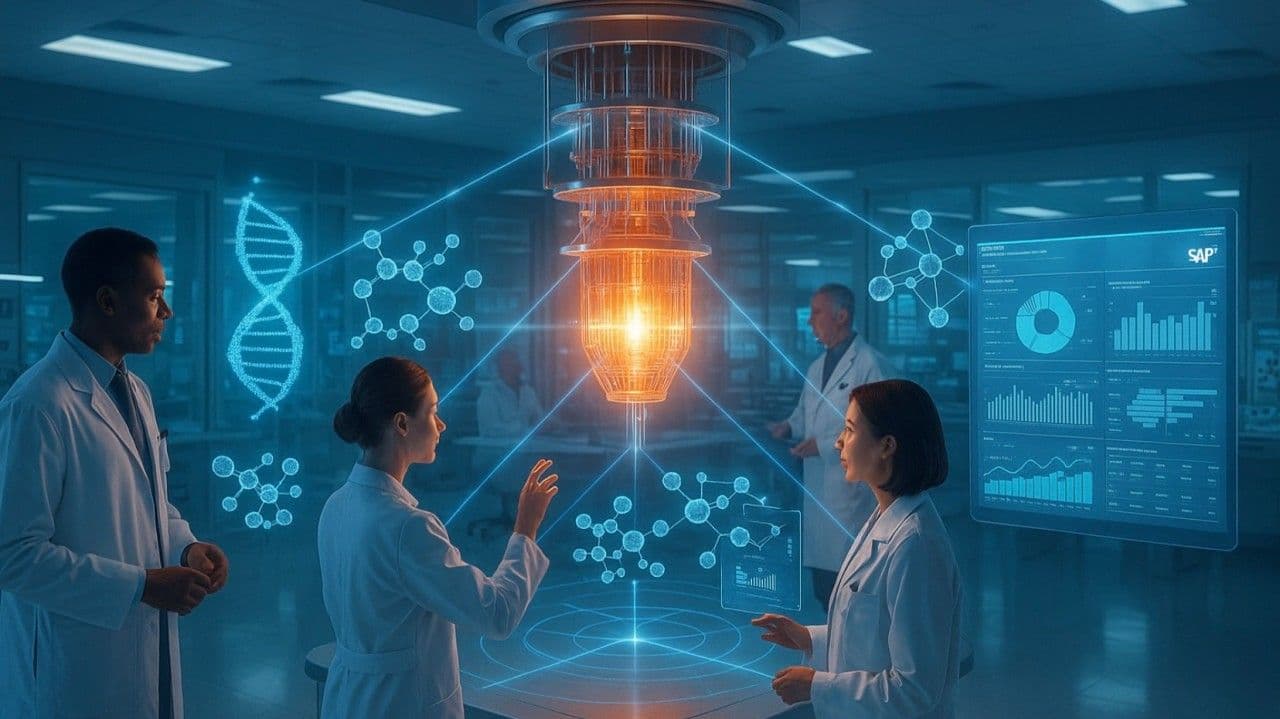
2026 marks a watershed moment for quantum computing. After years of incremental progress, we're witnessing the first practical quantum advantage in real-world applications. Major tech companies and research institutions have deployed quantum systems with over 1,000 stable qubits, crossing critical thresholds for error correction and computational utility.
The pharmaceutical industry is leveraging quantum simulations to model molecular interactions with unprecedented accuracy, potentially reducing drug development timelines from years to months. Financial institutions are exploring quantum algorithms for portfolio optimization and risk analysis, while cryptography researchers race to develop quantum-resistant security protocols.
Perhaps most exciting is the democratization of quantum computing through cloud platforms, allowing researchers and developers worldwide to experiment with quantum algorithms without requiring multimillion-dollar hardware investments.
Sustainable Technology: Innovation Meets Responsibility
The tech industry's commitment to sustainability has evolved from corporate pledges to tangible innovations. Green technology is no longer a niche concern but a fundamental design principle driving product development and infrastructure planning.
Energy-Efficient Computing
Data centers, which consume approximately 2% of global electricity, are undergoing radical transformation. Advanced cooling systems using liquid immersion and AI-optimized power management have reduced energy consumption by up to 40%. Meanwhile, renewable energy now powers over 75% of major cloud infrastructure, with companies investing heavily in solar, wind, and even experimental fusion energy projects.
Circular Economy Technologies
Device manufacturers are embracing modular designs that extend product lifespans and facilitate repair. Advanced recycling technologies can now recover over 95% of rare earth elements from electronic waste, addressing both environmental concerns and supply chain vulnerabilities. Biodegradable electronics and sustainable materials are moving from research labs into consumer products.
Extended Reality: The Spatial Computing Era
Extended reality technologies—encompassing virtual reality, augmented reality, and mixed reality—have finally achieved mainstream adoption in 2026. Lightweight, comfortable headsets with photorealistic displays and intuitive hand tracking are transforming how we work, learn, and socialize.
Spatial computing platforms enable seamless collaboration across physical and digital spaces. Architects visualize buildings at full scale before construction begins. Surgeons practice complex procedures in risk-free virtual environments. Remote teams collaborate as if sharing the same room, with digital whiteboards and 3D models floating in shared space.
The integration of AI with XR creates adaptive experiences that respond to user behavior, environmental context, and emotional states, making these technologies more intuitive and valuable than ever before.
Biotechnology and Neural Interfaces
The convergence of technology and biology is yielding remarkable breakthroughs. Brain-computer interfaces have progressed from experimental medical devices to assistive technologies helping individuals with paralysis regain communication and mobility. While still in early stages, these systems demonstrate the potential for direct neural control of digital devices.
CRISPR gene editing technologies have become more precise and accessible, enabling targeted treatments for genetic disorders. Synthetic biology is producing sustainable alternatives to traditional manufacturing, from lab-grown materials to bio-engineered proteins that could revolutionize food production and medicine.
Autonomous Systems and Robotics
Autonomous vehicles have expanded beyond passenger cars into diverse applications. Self-driving delivery robots navigate urban sidewalks, autonomous drones conduct infrastructure inspections, and robotic systems handle warehouse logistics with minimal human oversight. The technology has matured to handle edge cases and adverse conditions that previously required human intervention.
Humanoid robots with advanced dexterity and AI-powered decision-making are entering manufacturing facilities and even some service industries. While still expensive and limited in capability, these systems represent significant progress toward general-purpose robotic assistants.
Cybersecurity in the Age of AI
As technology advances, so do security threats. 2026 has seen both AI-powered attacks and AI-driven defenses reach new levels of sophistication. Deepfake technology capable of real-time video manipulation poses challenges for authentication and trust, while quantum computing threatens current encryption standards.
In response, the cybersecurity industry is deploying zero-trust architectures, behavioral biometrics, and AI systems that detect anomalies in real-time. Post-quantum cryptography standards are being implemented across critical infrastructure, preparing for the day when quantum computers could break traditional encryption.
Looking Ahead
The technological trends of 2026 share common themes: integration, sustainability, and human-centricity. Rather than pursuing innovation for its own sake, the tech industry is increasingly focused on solving real-world problems and addressing societal challenges.
As these technologies mature and converge, they create possibilities that seemed like science fiction just years ago. The challenge ahead lies not in technological capability but in ensuring these powerful tools are developed and deployed responsibly, equitably, and sustainably.
For tech enthusiasts and professionals, 2026 offers unprecedented opportunities to shape the future. Whether you're developing AI algorithms, designing sustainable systems, or exploring quantum applications, your work today will define the technological landscape of tomorrow. The revolution is here—and it's just getting started.
Admin