Breaking Barriers: Making STEM Education Accessible to Every Student

In an era where technology drives innovation and shapes our future, access to quality STEM education has become more than just an academic advantage—it's a fundamental right that can determine a student's trajectory in life. Yet, despite the critical importance of science, technology, engineering, and mathematics in our modern world, millions of students face significant barriers that prevent them from exploring these fields. The gap between those who have access to robust STEM education and those who don't is not just an educational disparity; it's a social justice issue that affects economic mobility, innovation potential, and the diversity of perspectives needed to solve our world's most pressing challenges.
The good news is that educators, organizations, and communities worldwide are pioneering innovative approaches to break down these barriers. From virtual laboratories that bring cutting-edge science to rural classrooms, to mentorship programs connecting underrepresented students with industry professionals, the landscape of STEM education is transforming. This post explores the current state of STEM accessibility, the barriers that persist, and the promising solutions that are making quality STEM education available to every student, regardless of their background or circumstances.
The Current State: Understanding the Barriers
To address STEM accessibility effectively, we must first understand the multifaceted barriers that prevent students from engaging with these critical subjects. These obstacles are often interconnected, creating compound disadvantages for students from marginalized communities.
Socioeconomic Barriers
Economic inequality remains one of the most significant barriers to STEM education. Schools in low-income areas often lack the funding for modern laboratory equipment, technology infrastructure, and specialized STEM teachers. Students from economically disadvantaged backgrounds may not have access to computers, internet connectivity, or supplementary learning resources at home. The cost of STEM-focused extracurricular activities, summer camps, and enrichment programs can be prohibitive for families struggling to meet basic needs. This creates a cycle where students who would benefit most from STEM education's economic opportunities have the least access to quality instruction.
Gender Disparities
Despite progress in recent years, gender gaps in STEM persist, particularly in engineering and computer science. Cultural stereotypes and unconscious bias can discourage girls from pursuing STEM subjects from an early age. The lack of female role models in STEM fields, combined with classroom environments that may inadvertently favor male students, contributes to lower confidence and participation rates among girls. By high school, many talented female students have already opted out of advanced STEM courses, limiting their future career options in these high-growth fields.
Geographic and Rural Challenges
Students in rural and remote areas face unique challenges in accessing quality STEM education. Smaller schools may not have the student population to justify specialized STEM teachers or advanced courses. Limited broadband infrastructure can prevent access to online learning resources and virtual collaboration tools. The geographic isolation also means fewer opportunities for students to visit science museums, attend STEM events, or participate in competitions that could spark their interest and provide valuable experiences.
Cultural and Linguistic Barriers
Students from diverse cultural backgrounds and English language learners often encounter additional obstacles. STEM curricula that don't reflect diverse perspectives or connect to students' cultural experiences can feel alienating. Language barriers can make it difficult to grasp complex scientific concepts, especially when instruction and materials are only available in English. The underrepresentation of minorities in STEM professions can also create a perception that these fields are not welcoming or accessible to students from certain backgrounds.
Innovative Approaches Breaking Down Walls
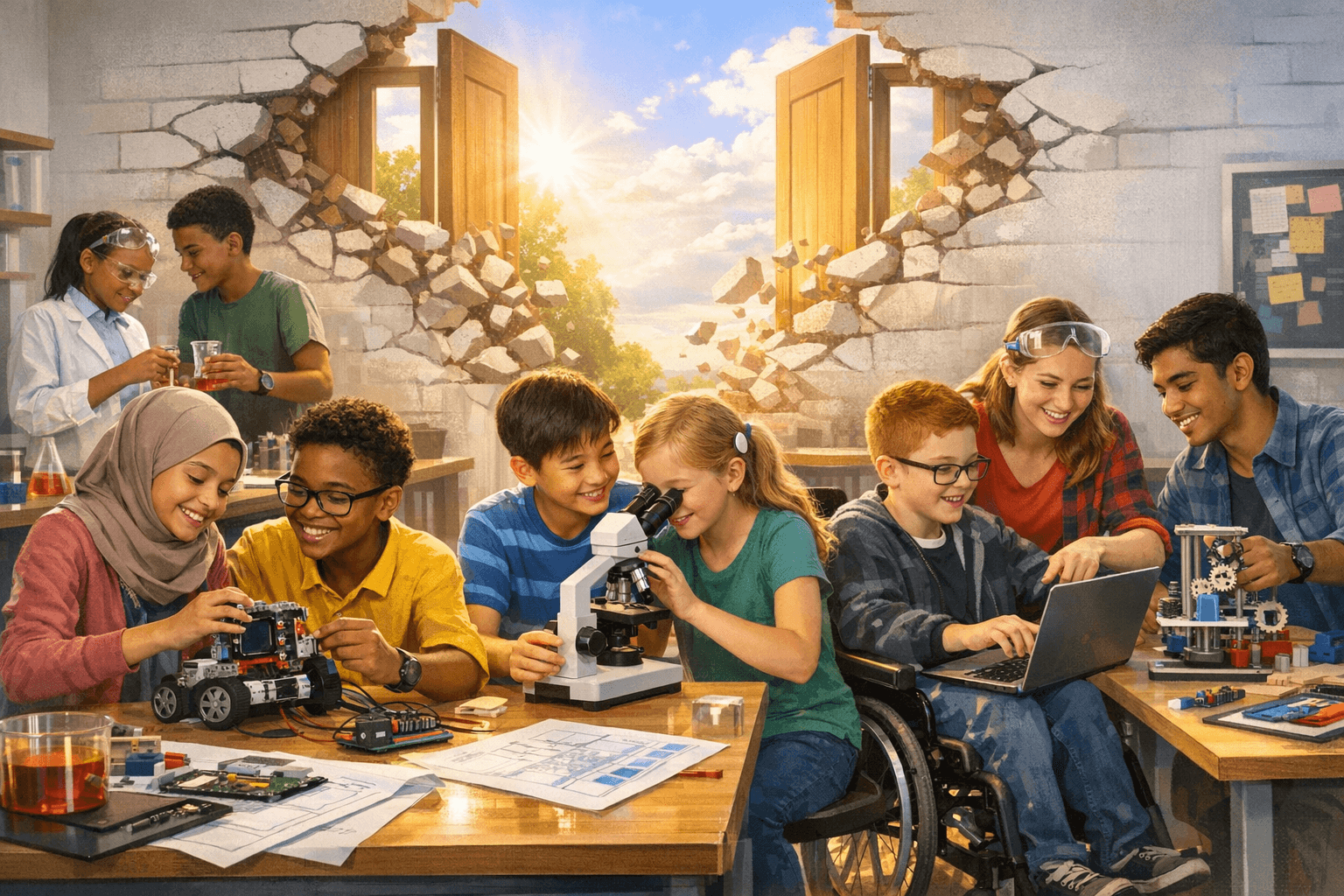
Across the educational landscape, innovative programs and approaches are demonstrating that STEM accessibility is not just an idealistic goal—it's an achievable reality. These initiatives are reimagining how we teach STEM subjects and who gets to participate.
Hands-On and Project-Based Learning
Progressive educators are moving away from lecture-based instruction toward hands-on, project-based learning that makes STEM subjects tangible and relevant. Makerspaces equipped with 3D printers, robotics kits, and basic electronics allow students to learn by creating and experimenting. These spaces don't require expensive equipment—many successful programs use recycled materials, low-cost components, and community donations. Project-based learning that connects STEM concepts to real-world problems in students' communities makes the subjects more engaging and demonstrates their practical value.
Community-Based Programs
Libraries, community centers, and nonprofit organizations are filling gaps left by underfunded schools. After-school STEM clubs, weekend workshops, and summer programs provide opportunities for students who lack access during regular school hours. These programs often focus on underserved communities, offering free or low-cost activities that introduce students to coding, engineering challenges, and scientific inquiry. By meeting students where they are—both geographically and developmentally—these community initiatives are expanding the STEM pipeline.
Online Resources and Open Educational Materials
The proliferation of high-quality, free online learning resources has democratized access to STEM education in unprecedented ways. Platforms offering video lessons, interactive simulations, and self-paced courses allow students to learn at their own pace and explore topics beyond their school's curriculum. Open educational resources provide teachers with ready-made lesson plans, activities, and assessments, reducing the burden on educators in under-resourced schools. These digital tools are particularly valuable for students in rural areas or those who need to learn outside traditional school hours.
Mentorship and Role Model Programs
Connecting students with STEM professionals who share their backgrounds can be transformative. Mentorship programs pair students with scientists, engineers, and technologists who provide guidance, encouragement, and real-world perspective on STEM careers. Virtual mentorship has expanded these opportunities, allowing students in any location to connect with professionals worldwide. Programs specifically designed to connect girls with female STEM professionals, or students of color with minority scientists, help combat the perception that STEM fields are not for them.
Technology as the Great Equalizer
While technology itself can be a barrier for some students, it's also proving to be one of the most powerful tools for democratizing STEM education. The key is ensuring equitable access to these technological resources.
Free and Low-Cost Learning Tools
A wealth of free tools now exists for learning everything from basic coding to advanced mathematics. Programming platforms with visual, block-based interfaces make coding accessible to elementary students. Free software for data analysis, 3D modeling, and circuit design gives students access to professional-grade tools. Mobile apps bring STEM learning to smartphones, which are more widely available than computers in many communities. These tools level the playing field, allowing motivated students to develop skills regardless of their school's resources.
Virtual Laboratories and Simulations
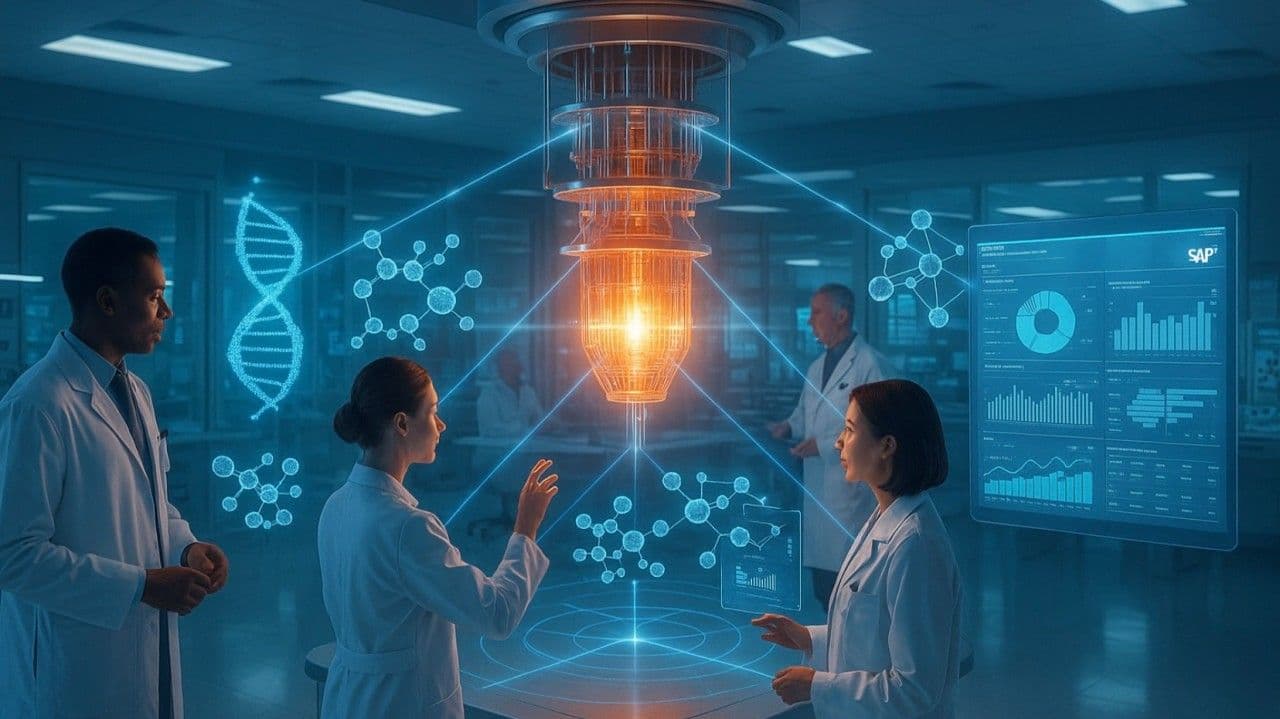
Virtual labs and simulations are revolutionizing science education by providing experiences that would be impossible or impractical in traditional classrooms. Students can conduct chemistry experiments without expensive equipment or safety concerns, explore physics concepts through interactive simulations, or dissect virtual specimens. These tools are particularly valuable for schools that lack laboratory facilities or for students learning remotely. Advanced simulations even allow students to explore concepts like quantum mechanics or genetic engineering that would be inaccessible at the K-12 level otherwise.
Coding Platforms and Computational Thinking
Free coding platforms have made computer science education accessible to millions of students worldwide. These platforms offer structured curricula, immediate feedback, and gamified learning experiences that keep students engaged. Many are designed to be used with minimal teacher expertise, allowing schools without computer science teachers to offer programming instruction. The emphasis on computational thinking—problem-solving, logical reasoning, and algorithmic thinking—provides skills valuable across all STEM disciplines and beyond.
Artificial Intelligence and Personalized Learning
AI-powered educational platforms are beginning to provide personalized learning experiences that adapt to each student's pace, learning style, and knowledge gaps. These systems can identify when a student is struggling with a concept and provide additional practice or alternative explanations. For students who lack access to tutoring or additional support, these adaptive learning systems can provide individualized attention at scale. As these technologies mature and become more accessible, they promise to help close achievement gaps by ensuring every student receives instruction tailored to their needs.
Success Stories: Proof That Access Works
The impact of improved STEM accessibility is not theoretical—it's measurable and inspiring. Across the globe, programs focused on breaking down barriers are producing remarkable results.
In rural Appalachia, a mobile STEM lab travels to schools that lack science facilities, bringing hands-on experiments and technology to students who would otherwise have limited exposure to these subjects. Follow-up studies show that students who participated in the program are significantly more likely to pursue STEM courses in high school and consider STEM careers.
A coding bootcamp for girls from underserved communities has graduated hundreds of young women who have gone on to computer science programs at top universities. Many participants report that the program was the first time they saw themselves as capable of succeeding in technology, and the peer community provided ongoing support and encouragement.
In urban schools serving predominantly minority students, partnerships with local universities and tech companies have created pathways from middle school through college and into STEM careers. These comprehensive programs provide mentorship, internships, and financial support, demonstrating that sustained, holistic interventions can overcome multiple barriers simultaneously.
International examples are equally compelling. In developing nations, solar-powered computer labs and satellite internet are bringing STEM education to remote villages. Students who had never used a computer are now learning to code and participating in global science projects, proving that geography need not determine educational opportunity.
How Educators and Parents Can Make a Difference
Creating accessible STEM education requires action at all levels, but individual educators and parents can make significant contributions to this mission.
For Educators
Teachers can leverage free online resources to supplement their curriculum and provide enrichment opportunities. Creating an inclusive classroom environment where all students feel capable of succeeding in STEM is crucial—this means actively combating stereotypes, using diverse examples and role models, and employing teaching strategies that engage different learning styles. Educators can also advocate for resources and policies that support STEM accessibility in their schools and districts.
Connecting classroom learning to real-world applications and local issues makes STEM relevant and engaging. Inviting guest speakers from diverse STEM backgrounds, organizing field trips to local businesses or research facilities, and participating in science fairs or competitions can expose students to possibilities they might not otherwise encounter.
For Parents and Caregivers
Parents don't need to be STEM experts to support their children's interest in these subjects. Encouraging curiosity, asking questions, and exploring together can foster a love of learning. Free resources like library programs, online tutorials, and educational YouTube channels provide opportunities for at-home STEM exploration. Parents can also help children see STEM in everyday life—cooking involves chemistry, gardening teaches biology, and even video games can introduce computational thinking.
Advocating for STEM programs in schools and communities is another powerful way parents can contribute. Attending school board meetings, supporting funding initiatives, and volunteering with STEM organizations all help create opportunities for more students. Parents can also challenge their own biases and ensure they're encouraging all children—regardless of gender or background—to explore STEM subjects.
Looking Forward: The Future of Inclusive STEM Education
As we look toward the future, the trajectory of STEM accessibility is encouraging, though significant work remains. Emerging technologies like virtual and augmented reality promise to create even more immersive and accessible learning experiences. The continued expansion of broadband infrastructure will bring online resources to more remote areas. Growing awareness of equity issues in STEM is driving policy changes and increased funding for programs serving underrepresented students.
The business case for STEM accessibility is also becoming clearer. Industries facing talent shortages recognize that they cannot afford to overlook potential workers from any demographic. This is driving corporate investment in educational programs and partnerships that expand the pipeline of qualified candidates.
Perhaps most importantly, we're seeing a shift in mindset—from viewing STEM accessibility as a charitable endeavor to recognizing it as an imperative for innovation and progress. The complex challenges facing our world require diverse perspectives and the full range of human talent. Every student we fail to reach represents not just an individual loss of opportunity, but a collective loss of potential solutions to problems we haven't yet solved.
Making STEM education accessible to every student is not just about fairness—though that alone would justify the effort. It's about unleashing human potential, fostering innovation, and ensuring that the next generation of scientists, engineers, and technologists reflects the full diversity of our society. The barriers are real, but so are the solutions. By continuing to innovate, invest, and advocate for accessible STEM education, we can create a future where every curious mind has the opportunity to explore, discover, and contribute to our collective understanding of the world.
The question is no longer whether we can make STEM accessible to all students—it's whether we have the will to do so. The tools, strategies, and evidence exist. What's needed now is sustained commitment from educators, policymakers, parents, and communities to ensure that no student's potential is limited by circumstances beyond their control. The future of STEM—and indeed, the future of our society—depends on it.
Muhd